On accountability
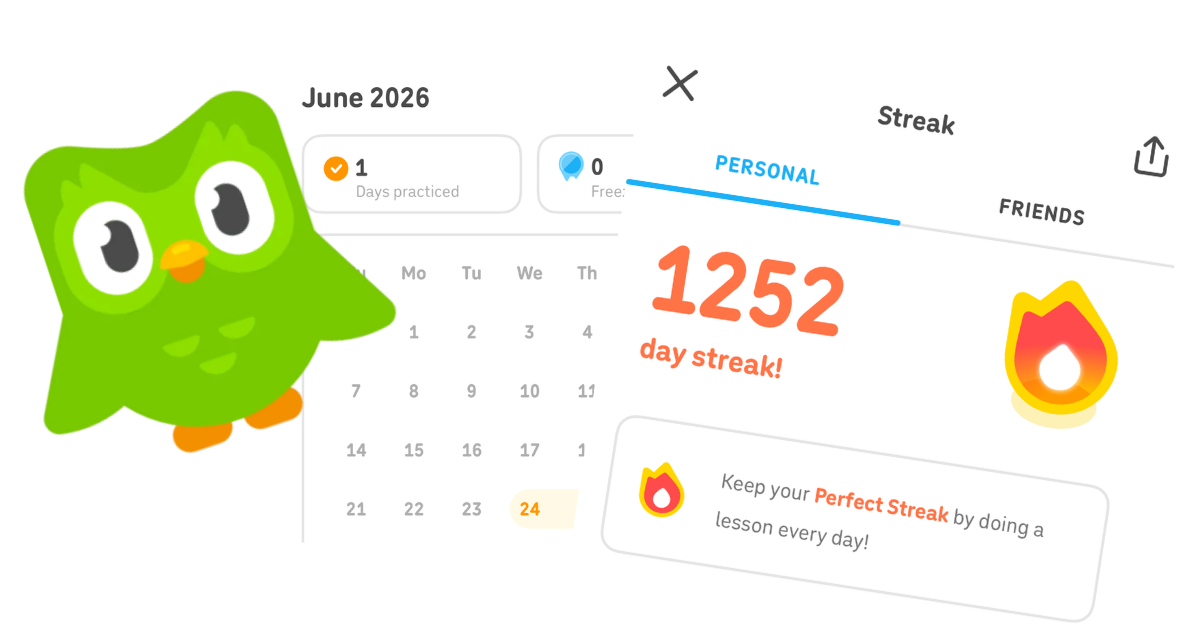
When did the world become a place where no matter what we do, we evade failure? A language app, an online game and an obsession with data analytics: each works differently, but the effect is the same.
I returned to Duolingo after a several month hiatus. I had been practicing Japanese before my trip to Japan, to get my speaking muscles back in shape. When I deleted Duolingo after my trip, I had a 1251 day streak. I had friends I competed with, and when I logged out the last time, I expected it all to be gone.
NYTimes has some very popular games, and one of them is called Strands. We look for words that are themed for the day, hidden in the block of letters. There is a “hint” button. After making a few errors, I am offered a “hint” and when pushed, the correct letters are revealed for me to unscramble. Presumably, this hint prevents me from frustrations, and I stay in the game. If I deploy the “hint” button, did I really complete the word game?
Big Data is used every day to make decisions in Corporate America. As a digital strategist, I am asked to find data that supports every decision. Why should the button be positioned here, not there? Which words do customers prefer?
“Here’s a hint so you can’t fail” is a reflection of this corporate need to place accountability on something or someone else. “We did what the data told us to do” not “we did what we believe is best for the customer, that’s feasible and has potential business benefit.” If it fails, there is no decision that was wrong, only that the data was misleading.
All eyeballs are glued to the game, the badges, the spreadsheet. The human isn't deciding, only following.
Now we are preparing for a trip to Puerto Rico and I want to learn some basic Spanish. Upon re-installing Duolingo, my 1,251-day streak was waiting, uninterrupted. My first Spanish lesson earned me a badge: 1,252 days.
What streak?
July 7, 2026