CURRENT PROJECTS
Be A Global Citizen | Proof of Place in an AI Generated World
ArtPrize 2026 · Kendall College of Art and Design · September 18 – October 3
Enter the installation, and with a few taps, a digital passport loads on your phone, no app and no login, and a system takes you on a world tour. Your photograph goes into a generative pipeline and comes back as a portrait in one of nine countries, each paired with a corporate ad that shaped how the world imagines it. You leave with a stamped passport and your face in fake places without having ever left the building, and the artists ask you what is real, where is real, who is real, and what really matters.
The digital experience concludes with a guide to neighborhood cafés and restaurants, all owned and operated by real Grand Rapidians. The same NFC infrastructure that delivered the fake global tour now leads you to real places to gather more stamps, no purchase required. The corporations give you spectacle and a laugh. The neighborhood gives you a barista who knows your order and a register that pays rent in the same zip code. That reversal is the argument the installation is making, and it runs on the same technology.
Collaboration with Aaron Sundman and Kait Smith.
See more at https://itsaritsu.github.io/artprize/
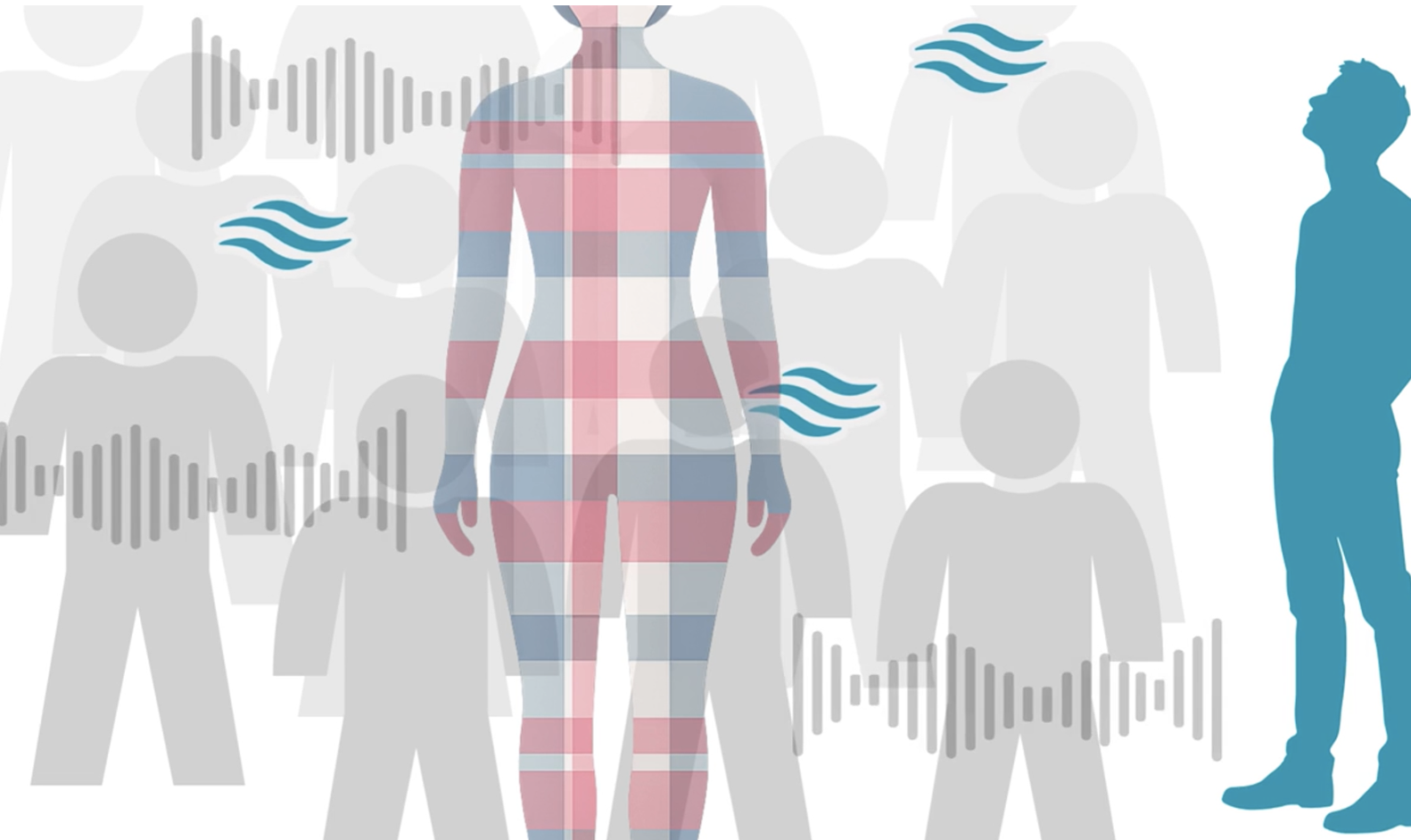
The Somatic Supercomputer
Our ability to see, hear, touch, smell, taste and sense are like a human supercomputer. Writings on how my training as a musician helped inform my professional work in innovation design.
PAST WORK HIGHLIGHTS
CASE STUDY 1 — Ford Motor Company (2021-26)
CASE STUDY — Ford Motor Company (2021–26)
A customer's service journey starts with a trigger, and the range is enormous: "due for maintenance" is an annoyance, "check engine" is a question about whether you're safe to drive home. Four years of ethnographic research taught me that the dealers and service staff on the other side of that moment have pain points of their own, and that the needs of dealers, staff, customers, and corporate only look contradictory from the org chart. On the ground, friction for one is friction for all, and the same well-placed touchpoint can pay everyone at once.
Using human-centered design methodology, I mapped both journeys: the customer's path toward trust and loyalty, and the staff pain points that digital systems can actually absorb, into the service blueprint that now anchors a digital solution in development. I've written elsewhere about how a service blueprint is like a musical score, the bassline is the customer need. This program is where that method was realized.
Results like these take years and many hands; the program I worked on is one piece of a much larger digital ecosystem, and I'm proud of the part I played in it. But the public numbers in the 2026 JD Power Customer Service Index show Ford posted the largest dealer-service satisfaction gain of any Detroit mass-market brand, climbing from No. 11 to No. 4, and ranked highest in the truck segment.
Client: Ford Motor Company, via VML Detroit. Role: Strategy Director. Details under NDA.
CASE STUDY 2 — nbyNutrilite, Amway (2019-20)
The brief was two words long, really: Instagrammable brand. Amway wanted a youth line that would inspire distributors and customers to post it themselves, unpaid, worldwide. We had two months. I pulled designers from both US coasts and several across Asia and built an identity and packaging system for the social feed first and the shelf second, bold enough to share, specific enough not to date.
The proof is still running. Search #nbyNutrilite and you'll find distributors around the world showcasing the products on their own channels, exactly as intended.
Client: Amway. Role: Manager, creative services Timeline: two months, brief to launch.
CASE STUDY 3 — Takashimaya Fifth Avenue (1990)
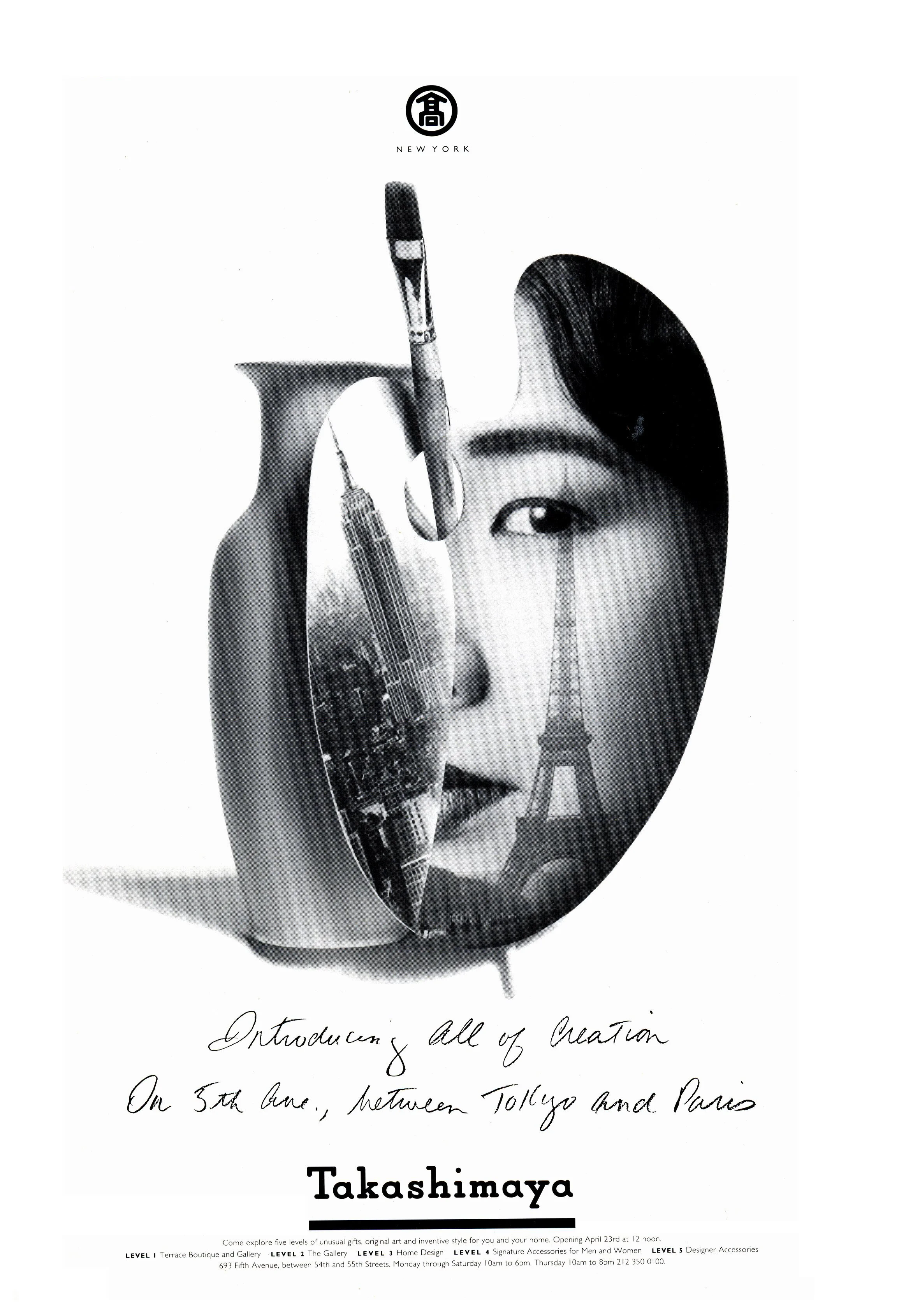
Takashimaya was bringing a concept boutique to Fifth Avenue, and a famed Japanese retailer meant nothing yet to a sophisticated New York audience. As the bilingual account executive at Dentsu, I led the competitive research that shaped the launch strategy, then oversaw creative production and media placement for the opening campaign: full-page ads in the Sunday New York Times, shot by Geof Kern, written by Steve Hogan.
Takashimaya Fifth Avenue became a tourist destination. The origami bags we created for the opening are now collectors' items, on permanent exhibit at the Cooper Hewitt, Smithsonian Design Museum.
Client: Takashimaya, via Dentsu New York. Role: Account Executive