AAPI Diaspora & Ancestry in Progress
My husband's great-grandfather left Japan in the late 1800s, fleeing starvation, and arrived in Kauai to work the sugarcane plantations. My father arrived in Philadelphia in 1970 as a research scientist, recruited by an American university. Two completely different journeys, two completely different eras, two completely different reasons for leaving Japan.
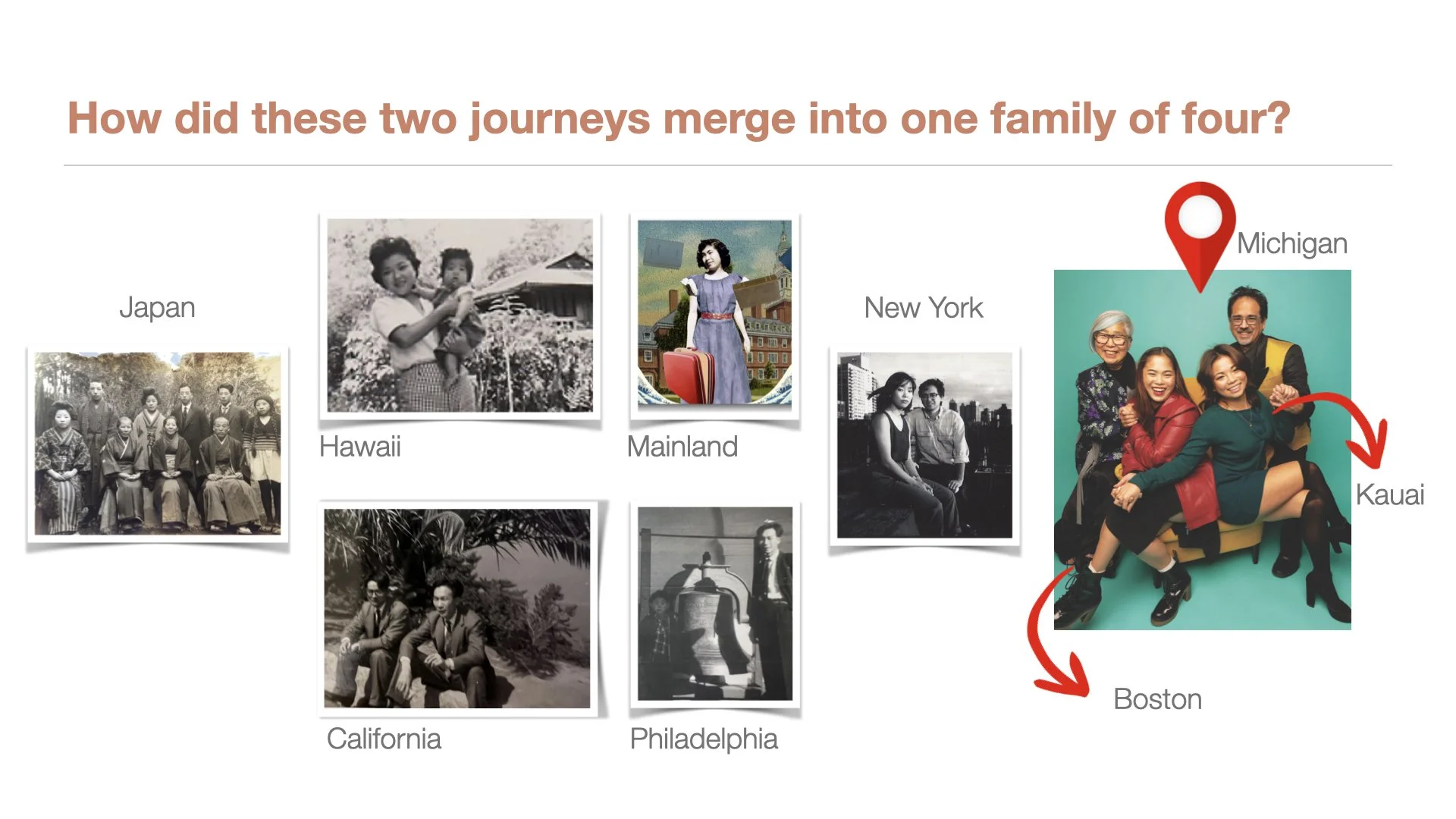
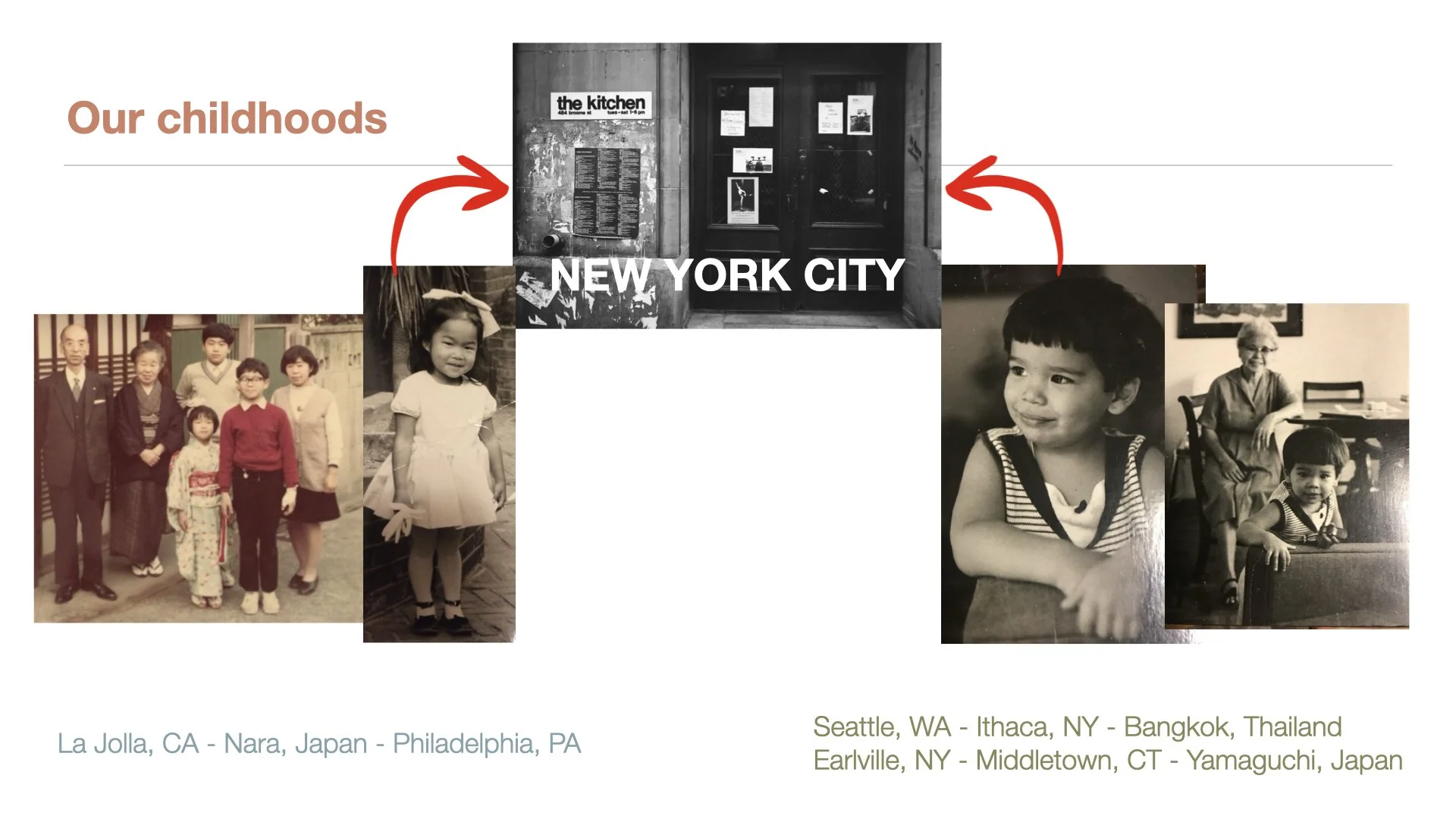
Had they not both come, the two of us would almost certainly never have met. But we did, at the Kitchen, the avant-garde experimental theatre in Hell's Kitchen, New York, in the early 1990s. Our families had traveled opposite directions from the West Coast, ending up in the same theatre, watching and quietly chuckling at the butoh-flamenco interpretation of a Jean Genet play.
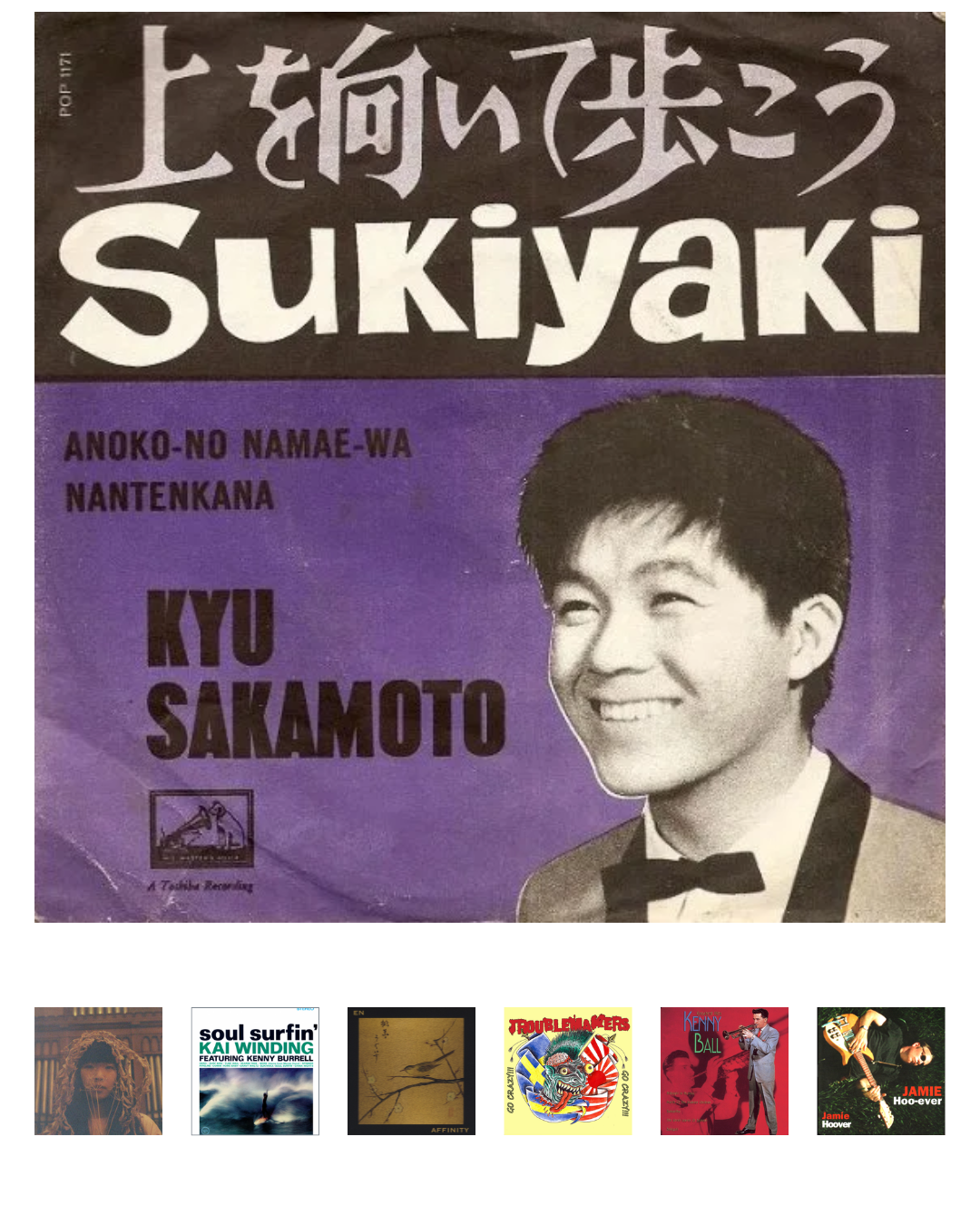
Ancestry in Progress is an animated collage I created with Stafford Hiroshi Smith, exploring what it means to become a proud Asian-American. The sound design uses variations of the Japanese song, Ue Wo Muite (known in the US as “the Sukiyaki Song”), the first Japanese record to top the American Billboard charts. I discovered hundreds of covers of it — R&B, barbershop, electronica, big band, bossa nova, punk. And it becomes a metaphor of Japanese immigrants, trying to assimilate and morph into different versions of themselves over the years.
The first mash up I made with Sukiyaki was with John Mellencamp's Pink Houses. The Japanese song and the American dream song are built on the same chord progression. I overlaid the two songs on top of each other, but the assimilation was never seamless — in the video, Totoro tries to enter but rolls off the rooftops of the Pink House, trying to fit in but never admitted.
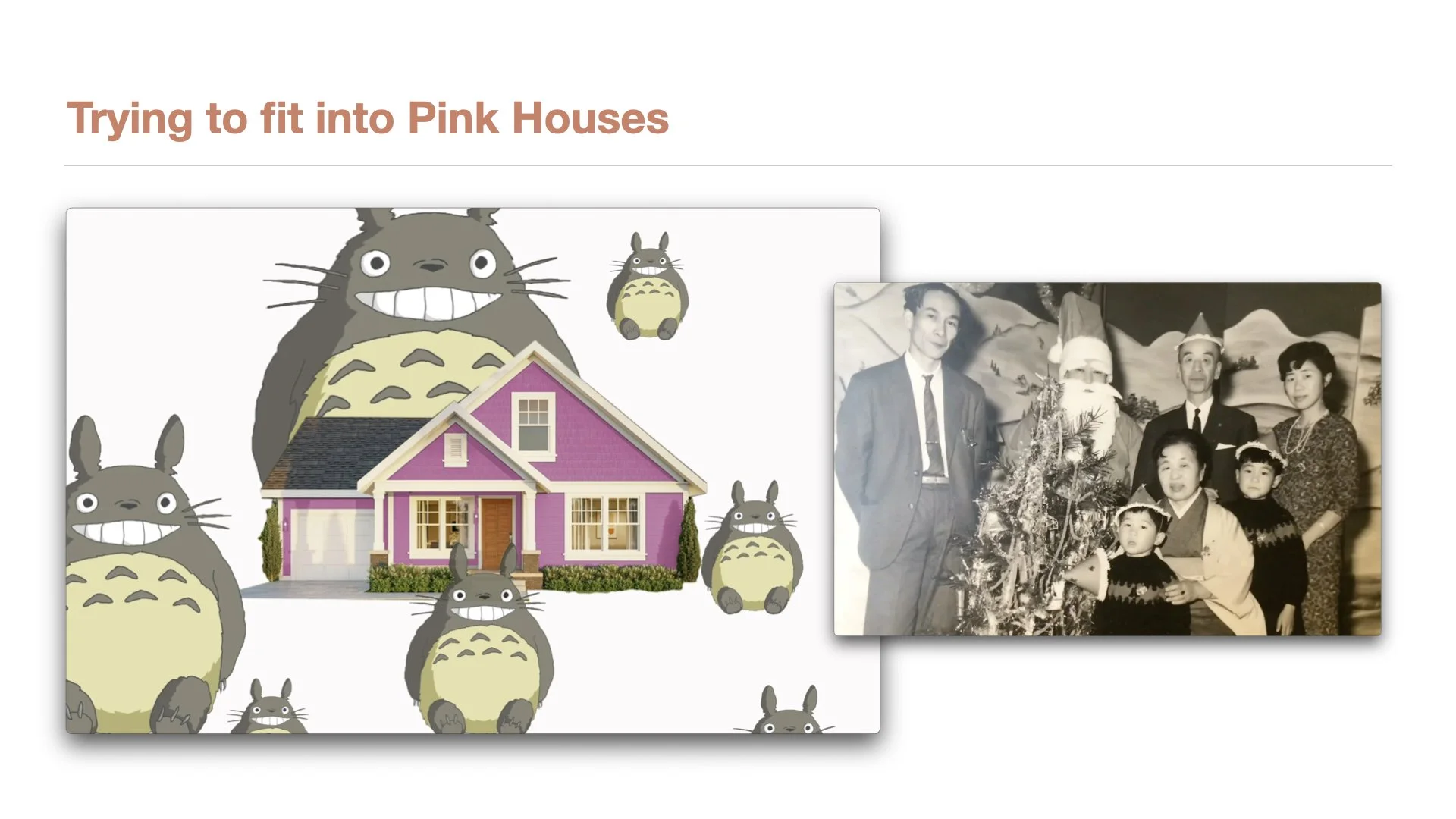
For years, Asians were tolerated rather than welcomed. It wasn't until the 1990s that America started embracing sushi, baseball giants Nomo and Ichiro, K-pop and anime that we were finally seen and recognized. The arrival of Asian-American culture in the mainstream is nascent and complicated.
Ancestry in Progress was presented at the 2025 International Conference on New Directions in the Humanities in Hilo, Hawaii, Bucknell University in Lewisburg, Pennsylvania, and is now on display at the Zhou B Art Center in Chicago, Illinois until July 12th 2026. https://www.ohartfoundation.org/apafa2026
May 17, 2026